Home Team FAQ Book a Demo
Computational biology · Built for bench scientists

The computational
biology agent
built for bench
scientists.

Describe your experiment. Get answers. No coding required.

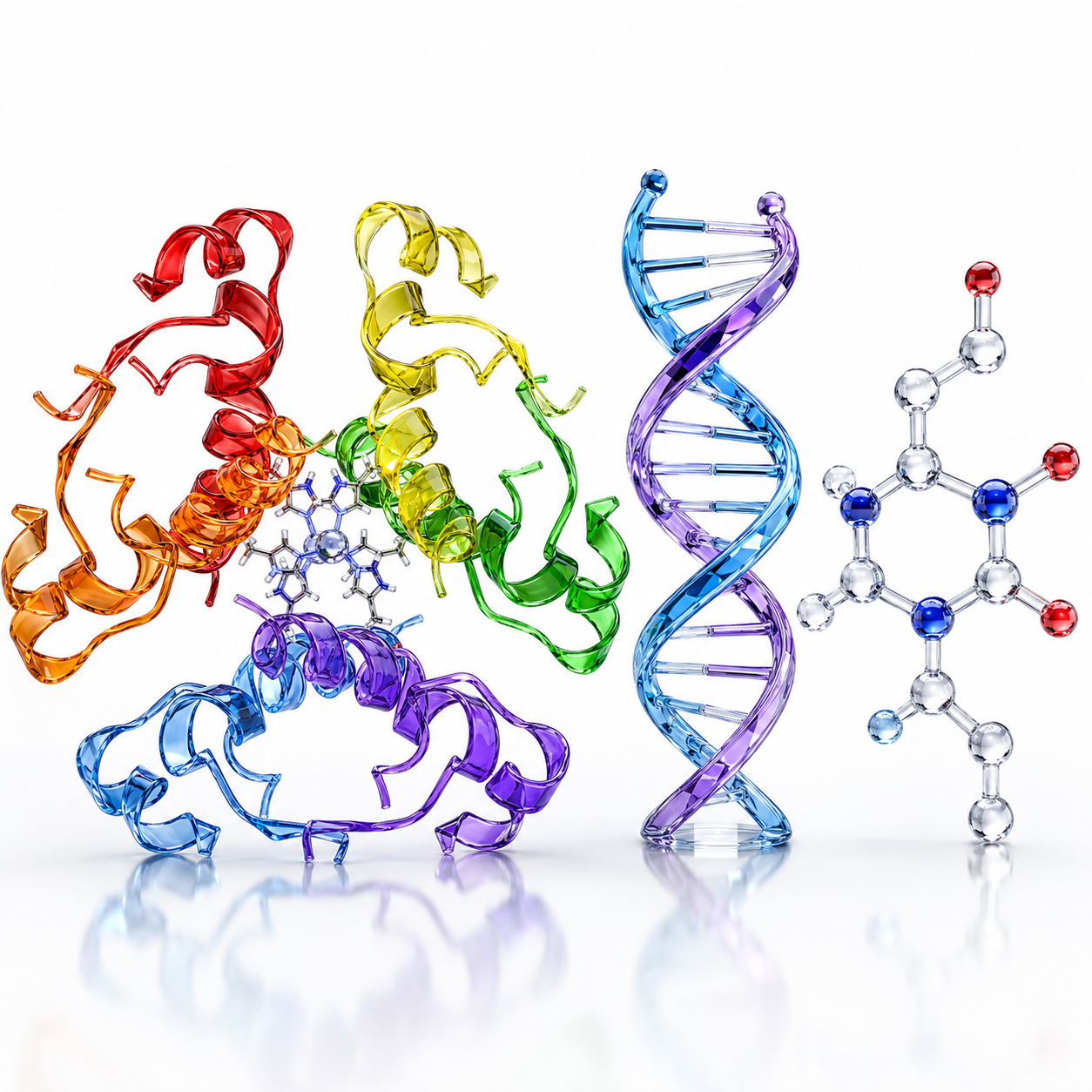
KRAS G12C · Erlotinib complex
Structure · pLDDT 91.4

Wet lab scientists spend weeks waiting for bioinformatics teams to run computational analysis on their own data.

You ran the assay. You have the data. But getting computational answers means filing a request, waiting for a bioinformatician, and hoping they understood what you actually needed. Most wet lab scientists wait days or weeks for analysis that should take minutes.
The Problem

Your data. Their queue.

A single drug discovery experiment requires computational analysis that most wet lab scientists can't run themselves. The specialized tools exist — but they're locked behind engineering barriers and bioinformatics teams with full calendars.

Days of waiting Lost context Engineering bottleneck
How It Works

Three steps.
Real answers.

No SMILES strings. No terminal. No Python. Just plain English and the science you already know.

Step 01

Describe your experiment

Tell Osmo what you tested, what you observed, and what you want to know. Osmo identifies your compounds and understands your biology.

Step 02

Osmo reasons through it

Osmo determines the right computational analysis for your specific question, routes to the right tools, and executes autonomously.

Step 03

Get results you can act on

No raw data dumps. No unexplained numbers. Plain English results with a concrete next step for your research.

Who It's For

Bench scientists

You understand your biology deeply. You shouldn't need a computer science degree to get computational answers from your own experimental data. Osmo is built for you.

Not for engineers

Osmo is not a tool for bioinformaticians. It's the tool that removes the dependency on bioinformaticians. The computational expertise is inside Osmo, not required of you.

Minutes, not weeks

Analysis that used to require days of waiting and back-and-forth now takes minutes. You get answers the same day you ask the question.

What Osmo Is

The computational biology tool that finally speaks your language.

Osmo is not a chatbot layered on top of a search engine. It is a purpose-built agent that understands biology, reasons about your specific experiment, and delivers structured answers a bench scientist can act on — without a single line of code.

Built on
Structure predictionProtein folding
Binding analysisLigand docking
Compound screeningAffinity scoring
Sequence analysisGenomic workflows

Every workflow runs in minutes. Every result is in plain English. Every answer includes a concrete next step.

About Ordos

We're building the computational layer for bench scientists.

Ordos is an early-stage AI infrastructure company. Our first product, Osmo, is an autonomous computational biology agent built for wet lab scientists who shouldn't need a computer science degree to get answers from their own experimental data.

We believe the gap between wet lab biology and computational analysis is one of the most significant bottlenecks in modern drug discovery. Osmo eliminates that gap by translating plain English experiment descriptions into structured computational workflows — structure prediction, binding affinity analysis, compound screening, sequence analysis — and returning plain English results with concrete next steps.

We onboard every research team personally. If you're a bench scientist who wants computational answers without the engineering overhead, we'd love to talk.

Book a Demo
Frequently Asked Questions

Everything you need to know about Osmo.

What is Osmo?
Osmo is an autonomous computational biology agent built for bench scientists. You describe your experiment in plain English, what you tested, what you observed, what you want to know, and Osmo handles the computational analysis. No coding required.
Who is Osmo built for?
Osmo is built for wet lab scientists who understand their biology deeply but shouldn't need a computer science degree to get computational answers from their own data. If you've ever had to file a request and wait days or weeks for a bioinformatician to run analysis, Osmo is built for you.
What kinds of analysis can Osmo run?
Osmo handles protein structure prediction, binding affinity analysis, compound screening, genomic sequence analysis, variant effect scoring, and more. The workflow is determined by what you're asking — you don't need to choose the tool, Osmo figures that out.
Do I need Python, SMILES strings, or command-line tools?
No. Osmo is designed specifically so you don't need any of that. You describe your experiment in the language you already use, plain English. Osmo translates that into the appropriate computational workflow and returns results in plain English.
How long does analysis take?
Most analyses that would take days or weeks through a traditional bioinformatics request take minutes with Osmo. The exact time depends on the complexity of the analysis, but you'll have answers the same day you ask.
How does onboarding work?
We onboard every research team personally. After you book a demo, we'll walk you through Osmo live with your actual research questions and set you up with access tailored to your workflow. There's no self-serve signup — we do this intentionally to make sure Osmo is genuinely useful for your specific work.
Where does my data go?
Your experimental data stays with you. Osmo is designed with data privacy as a core constraint, not an afterthought. We'll walk through data handling specifics during your onboarding call.

Still have questions? Book a 15-minute call and we'll walk you through everything.

Book a Demo
About Ordos

We're building the computational layer for bench scientists.

Ordos is an early-stage AI infrastructure company. Our first product, Osmo, is an autonomous computational biology agent built for wet lab scientists who shouldn't need a computer science degree to get answers from their own experimental data.

Ordos is an early-stage AI infrastructure company. Our first product, Osmo, is an autonomous computational biology agent built for wet lab scientists who shouldn't need a computer science degree to get answers from their own experimental data.

We believe the gap between wet lab biology and computational analysis is one of the most significant bottlenecks in modern drug discovery. Osmo eliminates that gap by translating plain English experiment descriptions into structured computational workflows — structure prediction, binding affinity analysis, compound screening, sequence analysis — and returning plain English results with concrete next steps.

We onboard every research team personally. If you're a bench scientist who wants computational answers without the engineering overhead, we'd love to talk.

Book a Demo
Frequently Asked Questions

Everything you need to know about Osmo.

Answers for research teams evaluating Osmo for wet lab biology workflows.

Do I need to know programming or bioinformatics to use Osmo?
No. Osmo is designed for wet lab scientists with no computational background. You describe your experiment in plain English - compound names, what you tested, what you observed - and Osmo handles everything else.
What kinds of experiments can Osmo analyze?
Osmo supports protein structure prediction, protein-ligand binding analysis, compound optimization, binding affinity prediction, and de novo compound generation. If you have a wet lab result and a computational question, Osmo can likely help.
How is Osmo different from asking ChatGPT about my experiment?
ChatGPT generates text. Osmo runs real computational biology workflows using specialized scientific models - AlphaFold2, Boltz-2, Chai-1, ESM-C - and returns actual predictions, not summaries of existing literature.
Is my research data private?
Yes. Osmo never stores your scientific data. When you run an analysis, your data is sent to specialized AI models for computation and immediately discarded - these models do not train on your data in any way. For organizations that require complete data isolation, Osmo supports on-premise deployment where every computation runs entirely on your own infrastructure.
What do I need to provide to get started?
Just a description of your experiment - your compound name or CAS number, what target you're studying, and what you observed. Osmo resolves the technical details automatically.
Who is Osmo built for?
Osmo is built for wet lab scientists at biotech startups and academic research labs who generate experimental data but don't have direct access to computational biology tools or bioinformatics teams.
What is Osmo?
Osmo is an autonomous computational biology agent built for bench scientists. You describe your experiment in plain English — what you tested, what you observed, what you want to know — and Osmo handles the computational analysis. No coding required.
Who is Osmo built for?
Osmo is built for wet lab scientists who understand their biology deeply but shouldn't need a computer science degree to get computational answers from their own data. If you've ever had to file a request and wait days or weeks for a bioinformatician to run analysis, Osmo is built for you.
What kinds of analysis can Osmo run?
Osmo handles protein structure prediction, binding affinity analysis, compound screening, genomic sequence analysis, variant effect scoring, and more. The workflow is determined by what you're asking, you don't need to choose the tool, Osmo figures that out.
Do I need Python, SMILES strings, or command-line tools?
No. Osmo is designed specifically so you don't need any of that. You describe your experiment in the language you already use, plain English. Osmo translates that into the appropriate computational workflow and returns results in plain English.
How long does analysis take?
Most analyses that would take days or weeks through a traditional bioinformatics request take minutes with Osmo. The exact time depends on the complexity of the analysis, but you'll have answers the same day you ask.
How does onboarding work?
We onboard every research team personally. After you book a demo, we'll walk you through Osmo live with your actual research questions and set you up with access tailored to your workflow. There's no self-serve signup — we do this intentionally to make sure Osmo is genuinely useful for your specific work.
Where does my data go?
Your experimental data stays with you. Osmo is designed with data privacy as a core constraint, not an afterthought. We'll walk through data handling specifics during your onboarding call.
What does it cost?
Osmo uses flat monthly subscription pricing. We'll share pricing details during your demo — we scope it based on team size and usage volume.

Still have questions? Book a 15-minute call and we'll walk you through everything.

Book a Demo